从材料出发, 找到产品的下一种可能。Start with the material. Find your next possibility.
三大纤维系列,分别面向原料来源与加工需求。保留再生纤维的多样选择,加入原生纤维与低熔点热粘合材料。Three fiber families for different feedstock and processing needs, from recycled and virgin staple fibers to low-melting thermal bonding fibers.
再生涤纶短纤Recycled polyester staple fiber
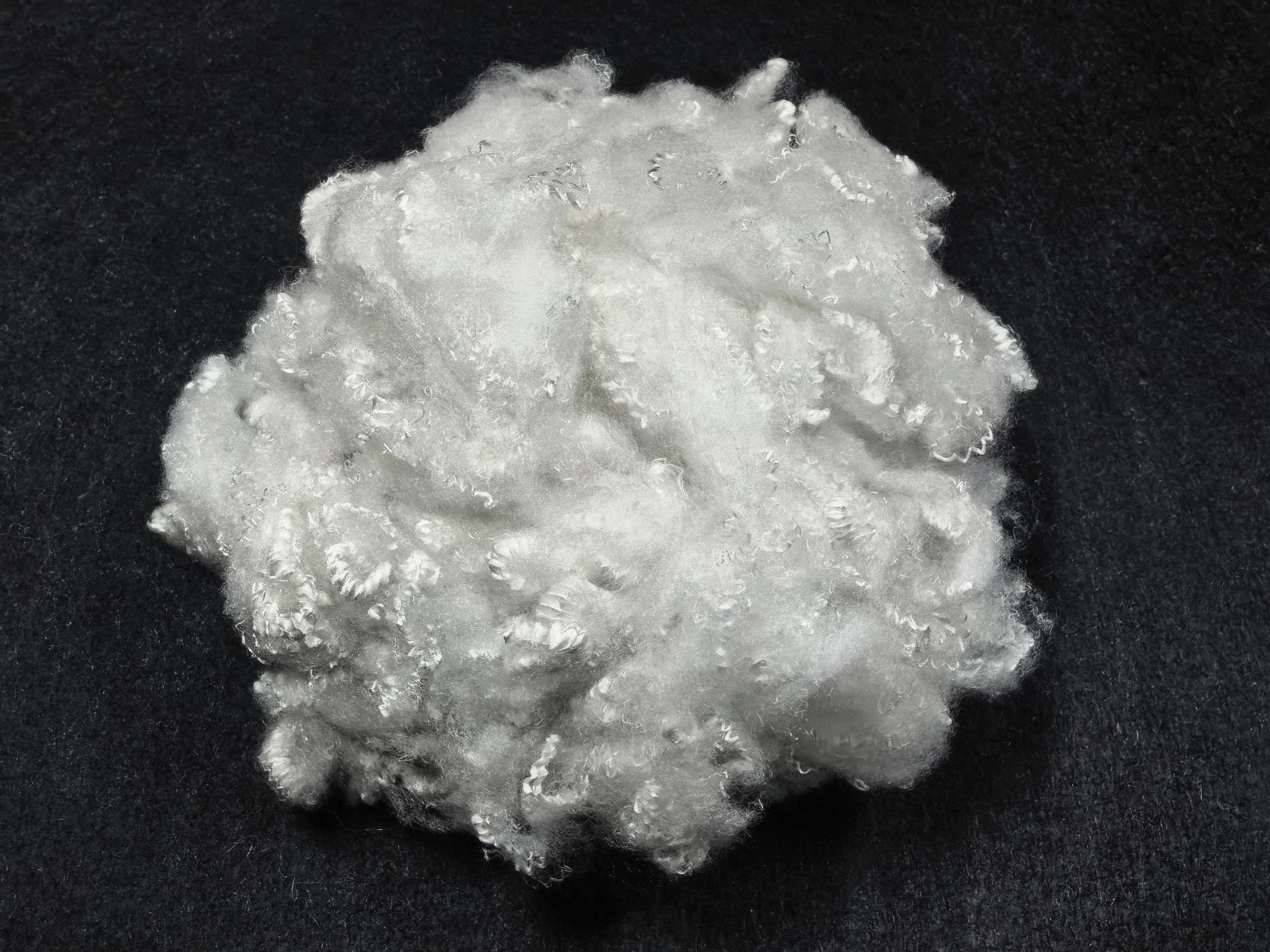
以回收 PET 为原料,为填充、铺棉和非织造材料提供不同颜色、结构与表面处理的选择。Made from recycled PET, with different colors, structures and finishes for filling, padding and non-woven materials.
6 款纤维
规格参考 Ocean Fiber 2026 产品手册。再生纤维整体细度范围为 1.5–25D,具体规格组合与供货情况请联系确认。Specifications reference the Ocean Fiber 2026 catalogue. The recycled fiber portfolio spans 1.5–25D; please confirm individual combinations and availability.
从新制聚酯开始,为纺纱、家纺与非织造产品选择合适的基础纤维。Starting with newly produced polyester, a base fiber choice for spinning, home textiles and non-woven products.
原生,指向原料来源。Virgin describes the feedstock.
原生涤纶通常由 PTA 与 MEG 等原料合成聚酯,再经过纺丝与切断制成短纤。与采用回收 PET 的再生纤维相比,主要区别在于原料来源与循环路径。Virgin polyester is typically synthesized from feedstocks such as PTA and MEG, then spun and cut into staple fiber. Its key distinction from recycled polyester lies in feedstock origin and material circulation.
纺纱与混纺Spinning and blends
可用于纯纺或与棉、粘胶等纤维混纺。Used in polyester yarns or blends with cotton, viscose and other fibers.
家纺与填充Home textiles and filling
根据结构与处理方式,匹配填充和铺棉需求。Match filling and padding needs through the right structure and finish.
非织造材料Non-woven materials
可面向针刺、铺网与多种非织造加工。For needle punching, web forming and other non-woven processes.
按用途确认规格Specify by application
细度、长度、截面及表面处理请询盘确认。Confirm denier, length, cross-section and finish with us.
原生与再生纤维对比Virgin and recycled fiber comparison
选材维度Selection factor
原生涤纶纤维Virgin polyester
再生涤纶纤维Recycled polyester
原料来源Feedstock
新制聚酯原料Newly produced polyester feedstocks
回收 PET 瓶片、聚酯纺织废料等Recovered PET bottles, polyester textile waste and other suitable inputs
共同基础Shared material
同属聚酯纤维,可面向相近应用;实际表现取决于配方、原料控制与加工工艺。Both are polyester fibers and can serve similar applications. Performance depends on formulation, feedstock control and processing.
如何选择How to choose
结合终端用途、颜色、细度、长度、性能测试和认证要求选材,避免仅凭“原生”或“再生”判断品质。Select by end use, color, denier, length, performance testing and certification requirements. Feedstock labels alone do not establish quality.
低熔点涤纶纤维Low-melting polyester fiber
让纤维在受热时形成粘结,为非织造材料提供热粘合途径。Thermal bonding fibers that help bind a non-woven structure when heated.
受热粘合,冷却定型。Heat to bond. Cool to set.
常见低熔点纤维采用低熔组分与常规聚酯复合的结构,例如低熔外层与支撑芯层。加热时,低熔组分软化或熔融,在纤维交点形成粘结,冷却后帮助固定纤维网。A common construction combines a low-melting component with regular polyester, such as a low-melt sheath around a supporting core. During heating, the low-melt component softens or melts to bond fiber intersections and stabilize the web after cooling.
热粘合非织造Thermal-bonded non-wovens
用于铺棉、硬质棉及纤维网粘合。For wadding, rigid batting and web bonding.
床垫与家居Mattresses and furnishings
可作为纤维垫层与填充结构的粘结组分。A bonding component in fibrous padding and filling structures.
服装衬垫Apparel padding
帮助稳定保暖棉及衬垫的纤维结构。Helps stabilize the fiber structure in insulation and padding.
汽车与工业毡Automotive and industrial felt
面向内饰毡层、吸音及隔热材料加工。For interior felt, acoustic and thermal insulation material processing.
热粘合过程The thermal bonding process
混合铺网Blend and form
与主体纤维混合,形成纤维网。Blend with base fibers and form a web.
受热软化Heat and soften
低熔组分在合适工艺温度下软化。The low-melt component softens at a suitable process temperature.
交点粘结Bond intersections
在纤维接触处形成粘结点。Bonds form where fibers meet.
冷却定型Cool and stabilize
冷却后帮助保持材料结构。Cooling helps set the material structure.
以上为常见工艺原理示意。具体熔点、配比、加热条件和性能,以所供牌号的技术资料与试样验证为准。低熔点描述热性能,不等同于原生或再生来源。A general process overview. Melting point, blend ratio, heating conditions and performance depend on grade-specific data and sample validation. Low-melting describes thermal behavior, not virgin or recycled origin.
细看,材料本身。A closer look at the material.
结构、颜色与表面处理,都是选材的一部分。Structure, color and finish all inform the material choice.
从蓬松开始,认识中空纤维Hollow fiber, a closer look
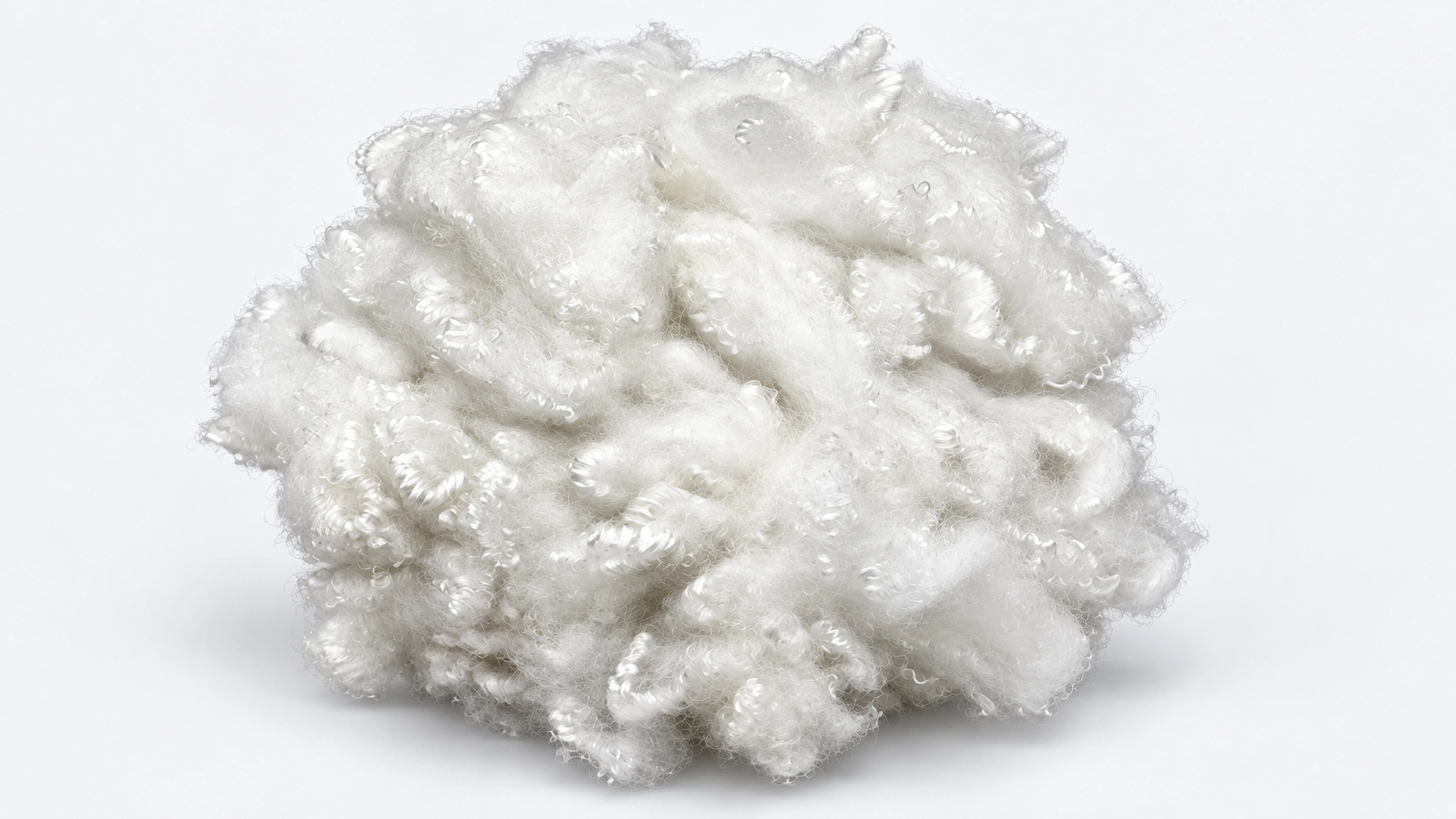
中空结构有助于保留空气,兼顾蓬松、轻盈与柔软,可用于家纺及多种填充应用。A hollow core helps retain air for a lightweight, lofty and soft feel in home textile and filling applications.
实心纤维,面向多元非织造Solid fiber for non-wovens
实心截面提供稳定结构,可用于非织造、铺棉、土工布及工业材料。A solid cross-section supports non-woven, padding, geotextile and industrial material applications.
有硅与无硅,从用途做选择Siliconized or non-siliconized?
手册提供有硅与无硅产品。先明确最终用途,再确认所需手感、规格与处理方式。Both siliconized and non-siliconized products are listed. Start with the end use, then confirm the finish and specification.
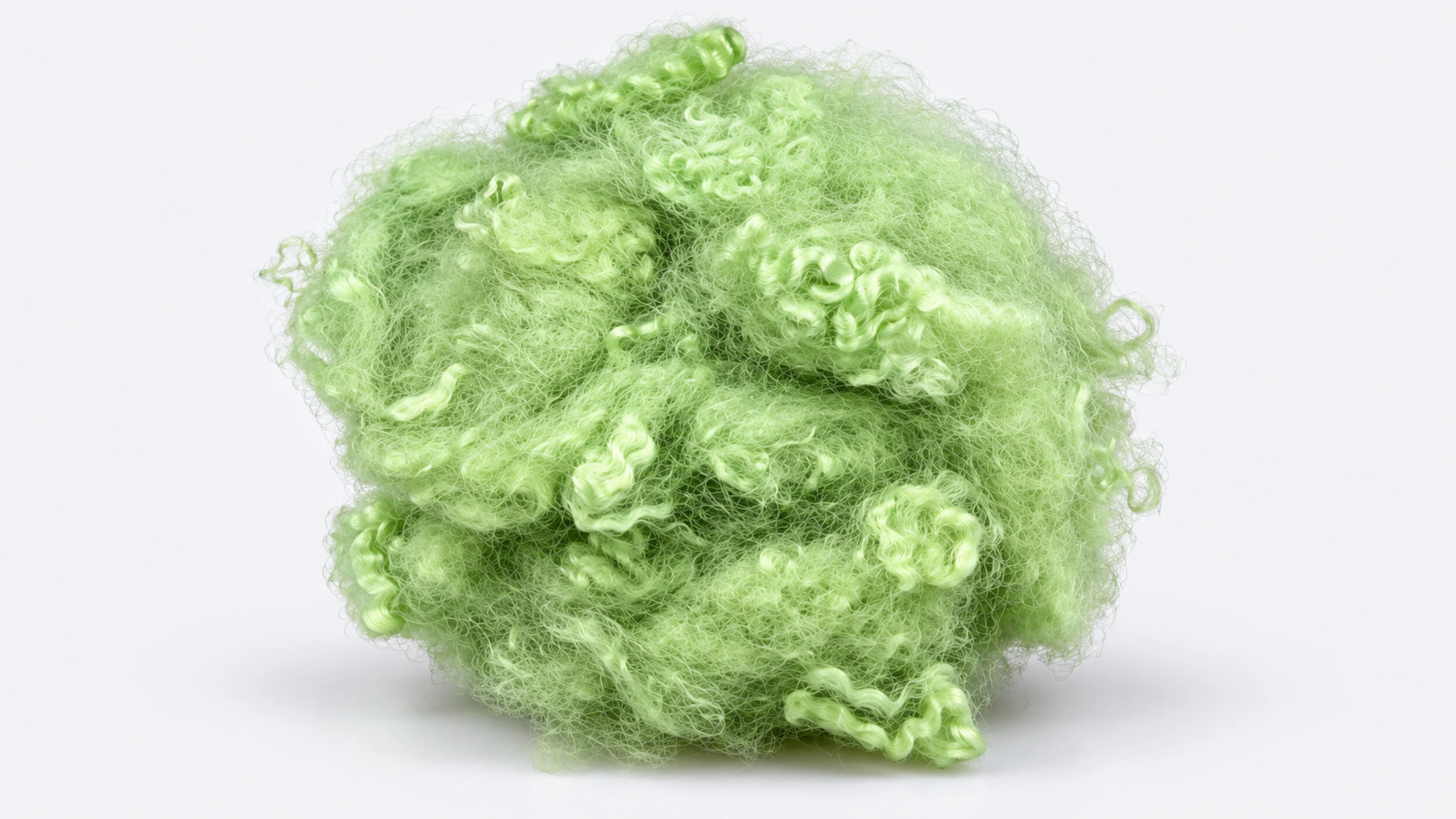
让颜色成为材料的一部分Color, part of the material
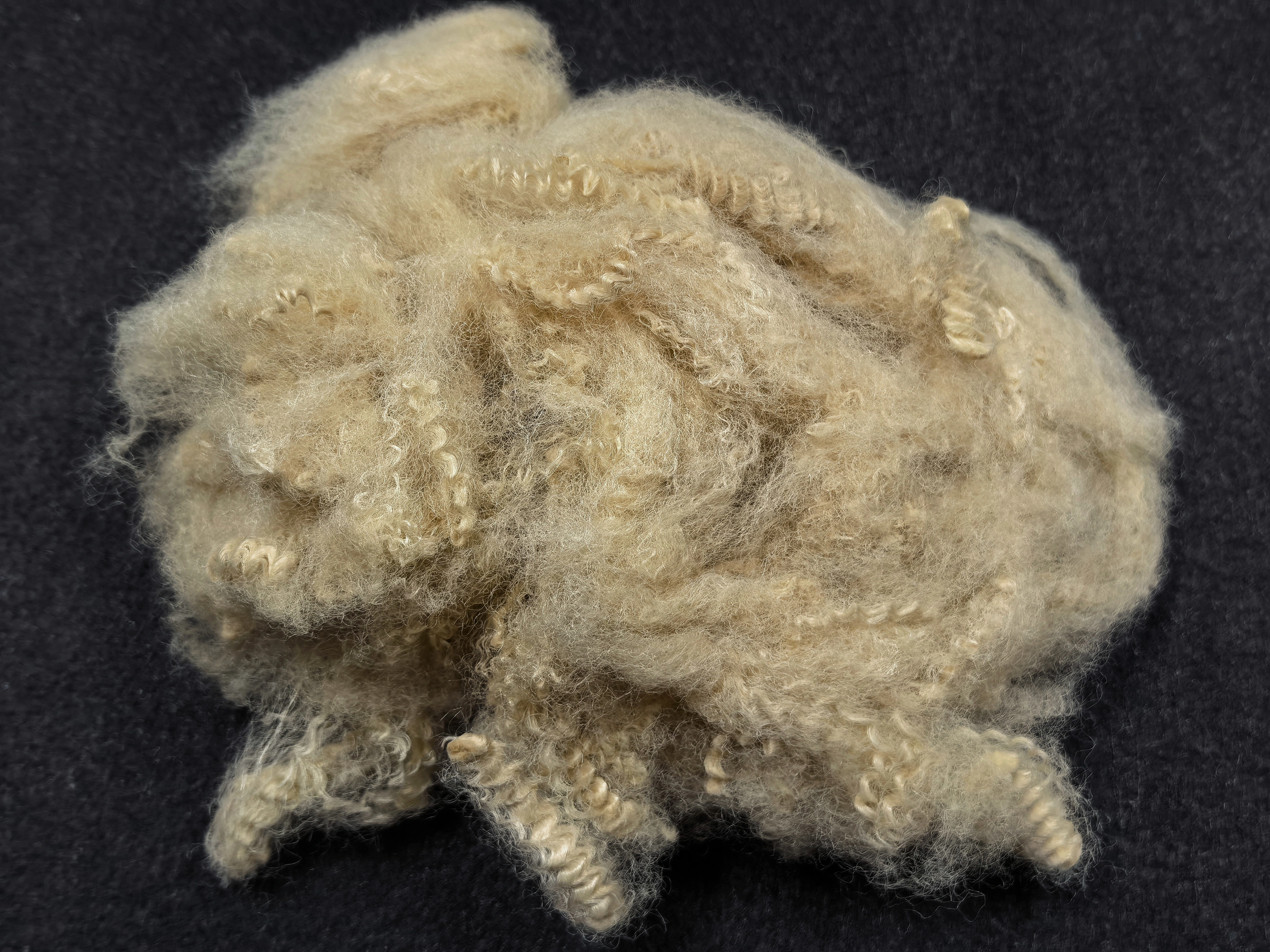
彩色纤维范围为 2.5–25D、25–150 mm,可用于填充、非织造、硬质棉、保温及土工布材料。具体组合请联系确认。Colored fibers span 2.5–25D and 25–150 mm for filling, non-wovens, rigid wadding, insulation and geotextiles. Please confirm combinations.